I run a homeschool support group on Facebook, and it has grown to over 150,000 members. Almost every day, I see posts from parents asking how to help their children socialize and learn to manage big emotions.
It’s a big topic one with many variables depending on a child’s personality, background, and experiences. Because of that, I thought it would be helpful to gather some of these conversations in one place, along with many of the resources and ideas shared by our community.
All parents worry about their children’s social development and emotional regulation. We wonder how they’re doing with friendships, how they handle disappointment or frustration, and whether they might be falling behind socially. When you choose to homeschool, those worries can feel even heavier. Part of that fear comes from a homeschool stigma that just won’t seem to go away but I want you to know this concern is completely normal at every age, for every personality, and across every homeschool style.
These conversations matter because they remind us of something important, there is no single solution. Struggling in a particular social or emotional area does not mean you are failing it means you are learning, adapting, and responding to your child’s real needs. And that is exactly what homeschooling allows us to do.
Social & Emotional Skills Are the Curriculum
When we think about curriculum, we often jump straight to math, language arts, science, or history. But what if we gave that same level of intention and commitment to social and emotional skills?
I believe social skills, self-regulation, and emotional development are foundational. They don’t sit alongside academics they come before them. One of the greatest gifts of homeschooling is the ability to prioritize these skills early on, building a strong emotional framework before introducing formal academics. And as children grow, that flexibility doesn’t disappear. We can pause, slow down, or shift focus when a social or emotional need arises.
Many parents worry that stepping away from academics to work on these “softer” skills will cause their children to fall behind or lose momentum. In reality, the opposite is often true. When we take the time to listen to our children, support their emotional needs, and equip them with tools to navigate big feelings or tricky social situations, they return to their academic work more focused, confident, and capable.
So let me say this clearly, you are allowed to pivot. You are allowed to change plans. You are allowed to set the academics aside for a season.
Release the guilt. You are not failing your child you are investing in them. The skills you are developing now will serve them for years to come, long after worksheets and lesson plans are forgotten.
Books, Games, and Resources as Gentle Teachers
One of the things I love most about homeschooling is the abundance of books and resources available to help us tackle big, important topics especially social and emotional learning. For clarity, I like to think about these tools in two main categories.
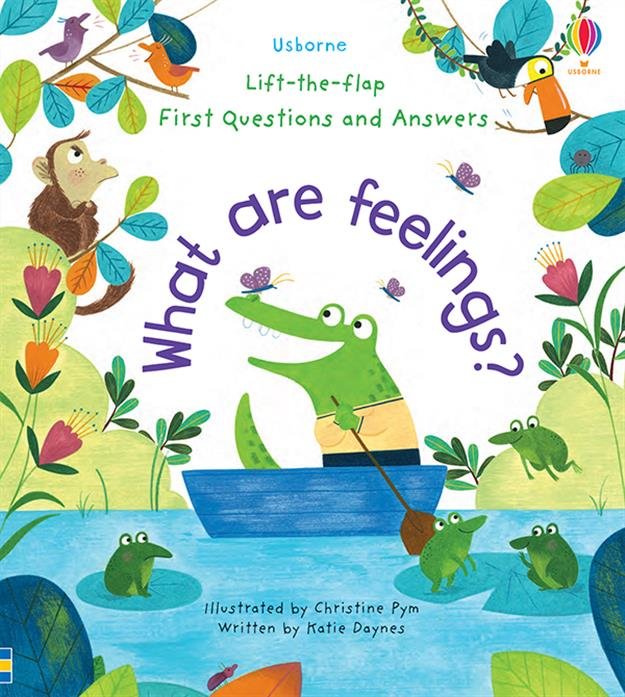
The first is books. Stories are often our most powerful teachers. They help children name emotions, model healthy responses, and create a shared language between parent and child. A well-chosen book can open the door to meaningful conversations and give children words for feelings they may not yet know how to express.
All the books in these stories help parents reflect on a specific behavior topic and teaches kids about trying to use self-control.
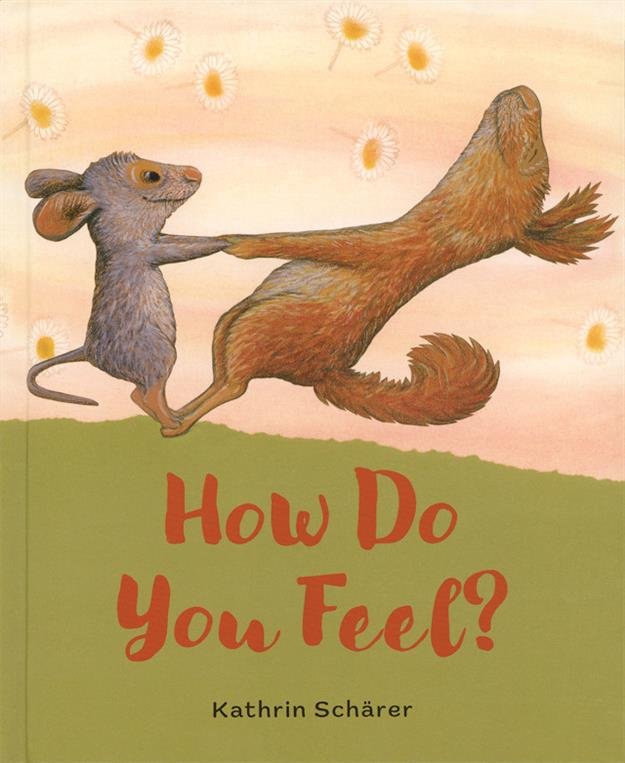
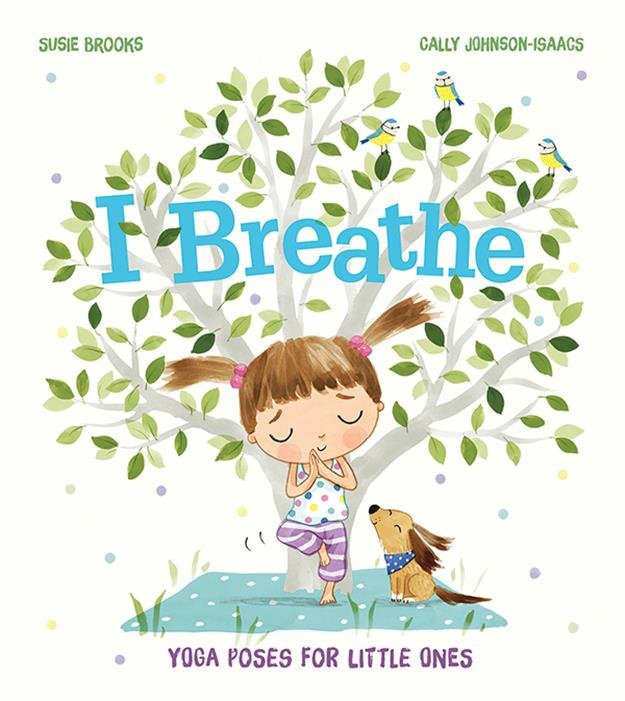
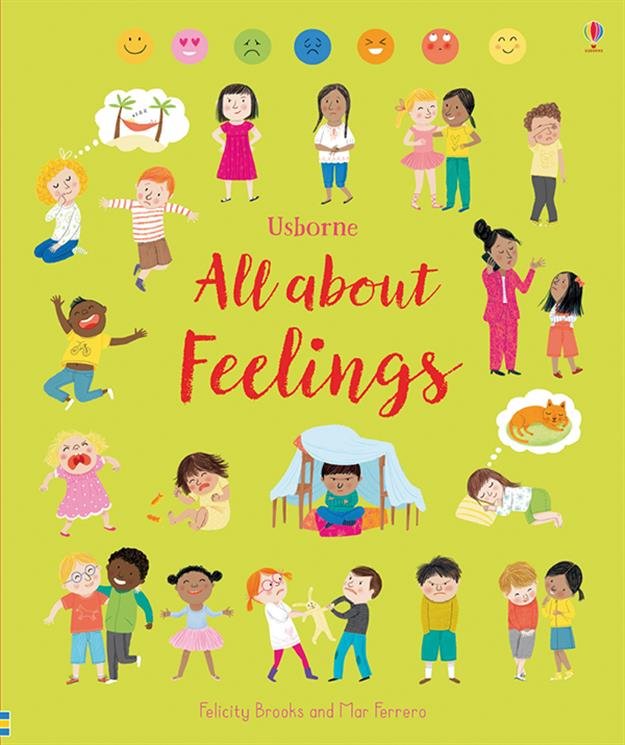
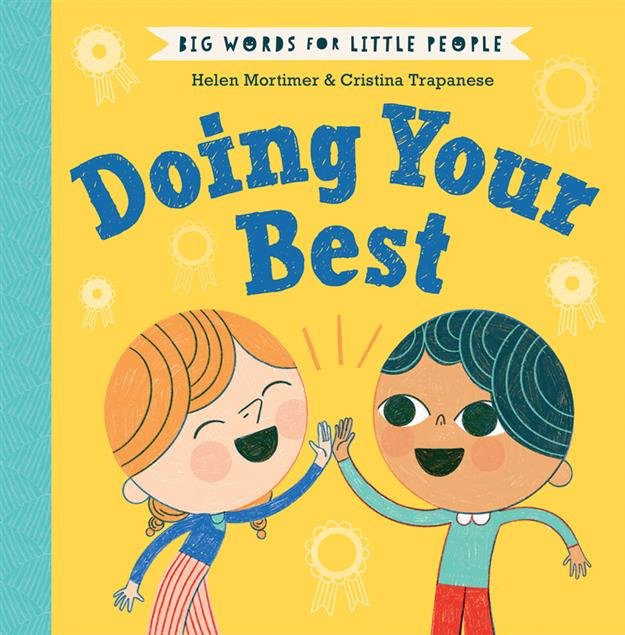


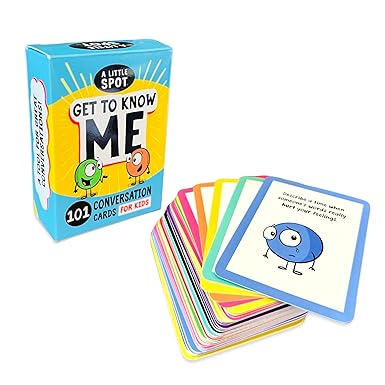
The second category is games and interactive resources. These are especially helpful for practicing skills in real time taking turns, engaging in guided conversation, navigating frustration, and continuing to build self-regulation. Play offers a low-pressure way for children to learn and apply these skills naturally.
I mean this with all my heart, these resources are meant to support you, not replace you. They are not required. You can absolutely teach your children these skills without a single book or game. That said, I’ve often found that even one thoughtful resource can spark ideas, inspire conversations, and help me spin off into lessons that fit our family’s needs in a more organic way.







Learning Happens in Daily Life
One of the things I love about homeschooling is how it makes parenting easier not easy, but easier! And a big part of that comes from recognizing that learning happens in daily life.
This is just as true for social and emotional skills as it is for counting, reading, or other academics. Being home with your children gives you the chance to read often, across many subjects, and to curate a library of resources that meet your child where they are. You can find games, create songs, or even put together little skits that address exactly what your child is experiencing in that moment.
One of my favorite ways to lean into learning in daily life is by simply narrating the day and asking gentle, open-ended questions. These small moments are opportunities to teach communication, problem-solving, and emotional awareness without ever feeling forced.
A little bit goes a long way when you can repeatedly touch on the same topic over time. This approach feels natural, prevents burnout for both parent and child and allows you to create gentle routines that support emotional safety and confidence.
Conversation as an Underrated Curriculum
If you feel like you need a paper trail in homeschool to be successful pleeease, let it go. The art of conversation is one of the most underrated curriculums out there. Car rides, dinner table chats, bedtime questions these are all opportunities for deep learning that often go overlooked.
When you lean into these moments, you’ll be amazed at the skills your children can develop. Asking open-ended questions, sharing honest answers, and letting your kids know that no topic is off-limits builds trust. At the same time, it fosters critical thinking, boosts emotional intelligence, and teaches them how to disagree respectfully.
In homeschooling, connection should always come first. When children feel safe, seen, and supported at home, they gain the social confidence to go out and practice all the skills you’ve been nurturing together. As they grow and encounter more complex emotions or tricky social situations, they’ll trust that you are there to guide them not to solve every problem, but to be a steady, supportive presence.
If you’re craving more inspiration, support, or just a space where other moms get it, I’d love for you to join us inside In My Homeschool Era, my free online community. It’s a cozy corner of the internet where we swap ideas, share wins, and walk this homeschool journey together. Come say hi we’d love to have you!!
wish you best and best