Hey there momma! Let’s chat about your basic homeschool supply list and the cost of homeschooling.
I’m willing to bet you’ve been deep in the research curriculum, supplies, subscriptions all of it. And somewhere along the way, you’ve probably started adding everything up and wondering, “Do I really need all of this to make homeschooling work?”
The short answer is no.
Homeschooling can be as cheap as you need it to be or as expensive as you make it. I’ve walked through some of the brokest seasons of life and still found a way to make homeschooling beautiful. I’m talking no running vehicles, working two jobs, being in college, on food stamps, going to food pantries all of it.
The point is this: your budget doesn’t determine whether your homeschool thrives your effort does.
If you’re a brand new homeschooling mom trying to figure out where to even start, and you’re feeling overwhelmed by every ad, every video, and every opinion out there this basic homeschool supply list is for you.
This is how to start homeschooling on a budget and the bare minimum supply list you’ve actually been looking for.
- Who This Basic Homeschool Supply Guide For?
- Curriculum: Do You Need It or Not?
- The Printer Conversation
- Building Your Actual Basic Homeschool Supply List
- Basic Homeschool Supply List for The Homeschool Mom
- Homeschool Student Basics
- Basic Homeschool Math Resources
- Language Arts, Science, History & Art
- The Real Goal of Homeschooling
- 👉 Come Sit With Us a While
Who This Basic Homeschool Supply Guide For?
Inside my free Facebook community, I see this question almost every single day: “What do we actually need to get started?”
And usually, it’s coming from one of two groups of moms.
The first group is brand new homeschoolers. I’m talking just pulled their child out of public school an hour ago, joined every homeschool group they can find, and are trying not to spiral from decision fatigue. They’re overwhelmed, unsure where to start, and looking for a lifeline.
This is it.
The second group is the intentional planners. These are the moms who already know homeschooling is the path for their family. They’re wanting to make thoughtful, intentional purchases ahead of time maybe even grabbing things as they go on sale and are looking for a simple, clear place to start.
They’ve probably got a basic homeschool supply list going already they just need help knowing what actually belongs on it.
This guide is for you too.
Curriculum: Do You Need It or Not?
Before you start adding curriculum and supplies to your cart, there’s one important question to ask:
Are you using curriculum or are you not?
And before you even answer that, I want to encourage you to look into something called deschooling first.
Deschooling is the process of letting go of public school conditioning before stepping into your homeschool. It’s not just for your kids it’s for you too.
It’s a season of relearning, refocusing, and reconnecting as a family. Instead of jumping straight into academics, deschooling gives you space to step away from rigid schedules, expectations, and the pressure to “do school at home.”
This is where you start to notice things like:
- When your kids naturally wake up and wind down
- What actually sparks their curiosity
- How they prefer to learn
- What your days feel like without a bell schedule running them
It also gives your children time to decompress and adjust to a completely different pace of life. And it gives you the chance to build confidence in yourself as the one leading their education. Even if your children have never stepped foot in a public school, deschooling is still valuable. As moms, many of us were raised in the traditional school system, and without even realizing it, we carry those expectations into our homeschool things like strict schedules, pressure to “do enough,” or the feeling that learning only counts if it looks like school. Deschooling helps you let go of that mindset so you can build a homeschool that actually fits your family from the start.
Deschooling helps you separate the idea of school from the reality of learning.
And that’s important, because once you understand how your family actually functions and learns, it becomes much easier to decide what you even need for your family’s personal basic homeschool supply list.
If you want a deeper breakdown of what deschooling looks like, how long it should last, and how to know when you’re ready to move forward, you can read my full post here:
👉 What Is Deschooling? Everything You Need to Know Before Homeschooling
If I am being honest with you don’t have to use curriculum to homeschool.
But if you decide that you want that structure, here’s something that will save you time, money, and a whole lot of overwhelm:
Most curriculum already includes a supply list.
You’ll usually find it in the teacher’s guide or within the first few pages. And instead of guessing what you might need or buying everything you see online, I always recommend starting there.
Let your curriculum tell you what’s necessary.
Add those items to your list first, and hold off on everything else until you actually need it.
Because at the end of the day, you don’t need to build your entire homeschool all at once you just need to support your next step.
The Printer Conversation
Once you start looking at curriculum or even deciding to piece things together yourself you’ll probably notice something pretty quickly:
A lot of homeschool resources require printing.
And if I’m being honest, you will print way more than you expect.
Between worksheets, copies for multiple kids, last-minute activities, and those random learning rabbit holes (you know the ones that start with a simple question and somehow turn into a full mini unit study), a printer becomes one of those tools that low key keeps your homeschool running.
Those rabbit holes are usually supported by free or very affordable printables that you can find on places like Teachers Pay Teachers, Etsy, and other educational websites.
So while a printer isn’t technically required, it can open up a lot more flexibility especially if you’re trying to homeschool on a budget.
If you’re trying to decide exactly which printer fits on your basic homeschool supply list (without overthinking it or overspending), I put together a full guide that walks you through everything:
👉 The Only Homeschool Printer Guide You Will Need
Building Your Actual Basic Homeschool Supply List
Okay, now for the part you probably actually came for the actual homeschool supply list.
Before we jump into the categories and recommended resources, I want to remind you of something really important:
You do not need to buy all the things all at once.
This is your homeschool bestie reminding you that starting with the basics can still create a beautiful homeschool experience. No supply, curriculum, or fancy organization system will ever replace the love, consistency, and devotion of a mom who truly cares about her children’s education.
The goal of this list is to help you build a homeschool that is minimal, functional, and affordable.
I wanted this guide to focus on the bare minimum basics that will actually help you get started without immediately feeling like you need to spend thousands of dollars to homeschool successfully.
Basic Homeschool Supply List for The Homeschool Mom
Okay, so homeschool mom supplies are probably my favorite category. Something about school supplies and stationery gives me a weird little adrenaline rush every single time.
But beyond just being fun, these tools really do help manage the balance between homeschool and home life. The goal here isn’t perfect organization or creating some Pinterest-perfect homeschool room. It’s simply to reduce overwhelm and make planning, prepping, and running your days feel a little smoother.
These are the kinds of supplies that help keep everything from living in random piles around the house and help you avoid constantly feeling like you’re scrambling to remember what everyone is supposed to be doing.
I also want to encourage you not to stop learning just because you’re now the one teaching.
One of the best things about homeschooling is that it naturally invites us to stay curious too. We grow alongside our children. We learn new things, rethink old ideas, and expand our own knowledge in ways we probably didn’t expect.
So while you’re building your homeschool supply list, I highly recommend grabbing a few books for yourself too. I actually put together an entire resource guide with some of AMAZING recommendations:
👉 The Ultimate Homeschool Mom Book List
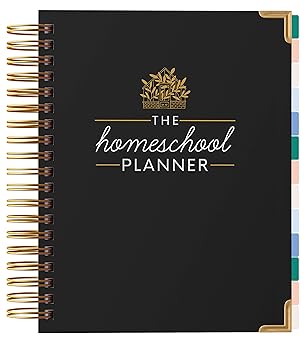
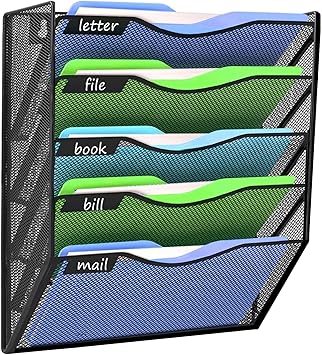
- Planner or homeschool planning system ( paper or digital)
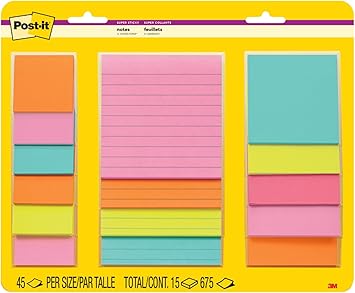
- Sticky notes
- pens
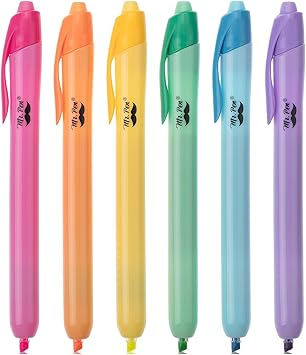
- highlighters
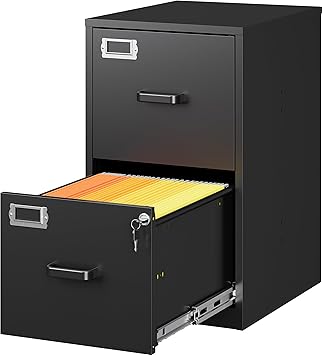
- Storage system for papers/printables
- Basic organization bins/folders






Homeschool Student Basics
These are your classic “back to school” shopping list items the simple, everyday supplies your kiddos will use across subjects.
A lot of these can be picked up very affordably during back-to-school sales, but I wanted to include them here so you have a clear picture of what the basics actually look like when you’re getting started.
One of my favorite perks of homeschooling is that once you buy these supplies, you’re NOT constantly repurchasing them every single year like traditional school shopping lists. Most of these items roll over year to year, and you just replace them as they run out instead of starting from scratch every fall.
It keeps things simple, cost-effective, and way less stressful.
- Notebooks or composition books
- Pencils and erasers
- Crayons or colored pencils Markers
- Glue sticks
- Child-safe scissors
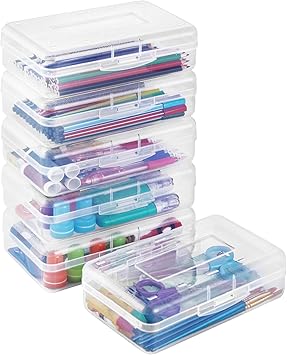
- Pencil box or supply caddy per child
- Ruler
- Whiteboard and dry erase markers
- Folders or simple organization system for completed work


Basic Homeschool Math Resources
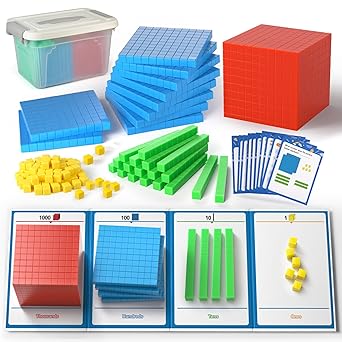
You can get away with using everyday objects for most math manipulatives. Things like beans, pennies, buttons, rocks, or even candy can all be used to teach counting, grouping, addition, subtraction, and early math concepts without spending a dime.
But if you are wanting to stock your homeschool with a few intentional, reusable basics that make math time easier and more hands-on, here are some solid foundational resources to consider:



![Math Notebook 1/2 Inch Squares: Lined Graph Paper Composition Notebook [Large 8.5X11] 2 squares per inch](https://m.media-amazon.com/images/I/51jcTpymHKL._SY342_.jpg)
Language Arts, Science, History & Art
These subject areas don’t need to be complicated or overbuilt in the beginning. The goal is to keep things simple, flexible, and focused on real learning rather than overwhelming your home with supplies.
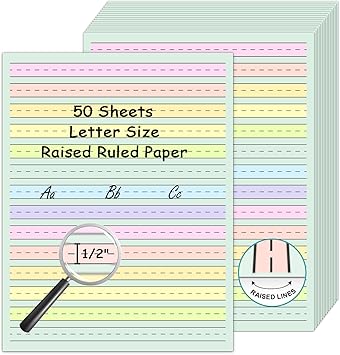
Science in the early stages does not require a full curriculum or expensive kits. Simple hands-on tools like measuring cups and basic household items can go a long way for experiments. A nature journal is also a wonderful way to encourage observation, curiosity, and outdoor learning without overcomplicating things.
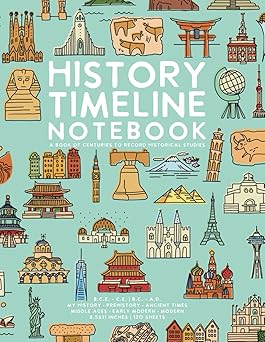
For history, the focus is connection and storytelling rather than memorization. Living books are one of the best ways to bring history to life. A simple timeline notebook or binder can help your child see how events connect over time, and basic maps or an atlas give them a visual understanding of the world.
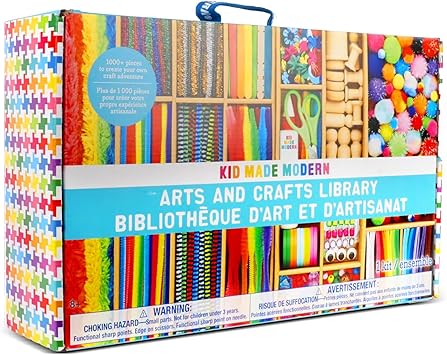
Art is one of the easiest areas to keep minimal and still feel rich in learning. Basic supplies like paper, crayons, markers, and simple paint options are more than enough to begin. A sketchbook for each child is a great way to encourage creativity, and you can slowly add simple craft supplies over time without overstocking your home.




The Real Goal of Homeschooling
This is not about building a classroom in your home. This is about building a flexible, real-life homeschool that actually works for YOUR family not one that drains your time, energy, or budget trying to recreate school at home.
You are allowed to keep this simple.
In fact, the most effective homeschool setups usually combine basic everyday supplies, Printable resources, and a few intentional tools per subject as you need them. That’s it.
You do not need everything at once you only need what supports your next step.
Homeschooling is built over time, not overnight.
👉 Come Sit With Us a While
Thank you so much to everyone in the Facebook group who helped build this guide by sharing your experiences, tips, and honest feedback it truly wouldn’t exist without you! Your engagement makes it possible to create practical resources that help other homeschool families make smarter decisions. If you haven’t joined the group yet, come be part of the conversation, share your own insights, and get access to more helpful guides like this one. Every comment, tip, and question helps us all homeschool a little more smoothly!