Are you wondering how to make homeschool math fun, only to ask for ideas in a Facebook group and get the two most unhelpful words in response: “Just Play”?
We all hear it: “Just play.”
When it comes to homeschool math with your 3–5-year-olds, that advice isn’t wrong. Play is powerful. It can be one of the most effective teaching tools you use for years to come.
But what does “just play” actually mean?
Sometimes a mom doesn’t need a reminder to relax. She needs ideas. She needs someone to break it down and make it practical.
That’s what this post is for.
These are simple ways to play with purpose. The resources below are fun and engaging, but they also gently build early homeschool math skills like counting, recognizing shapes, and spotting patterns.
I’m not arguing that play is essential at this age.
I’m helping you define it.
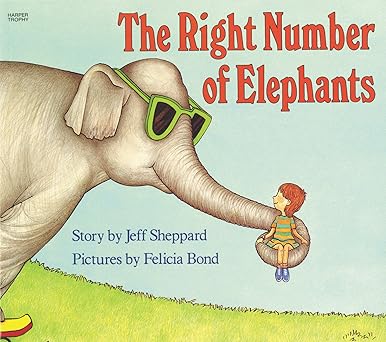
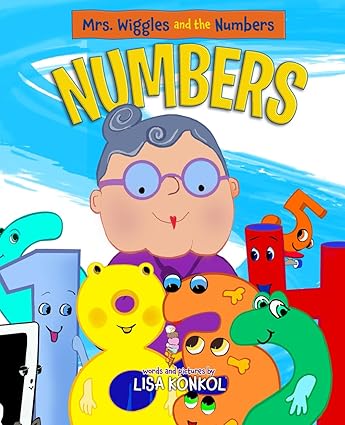
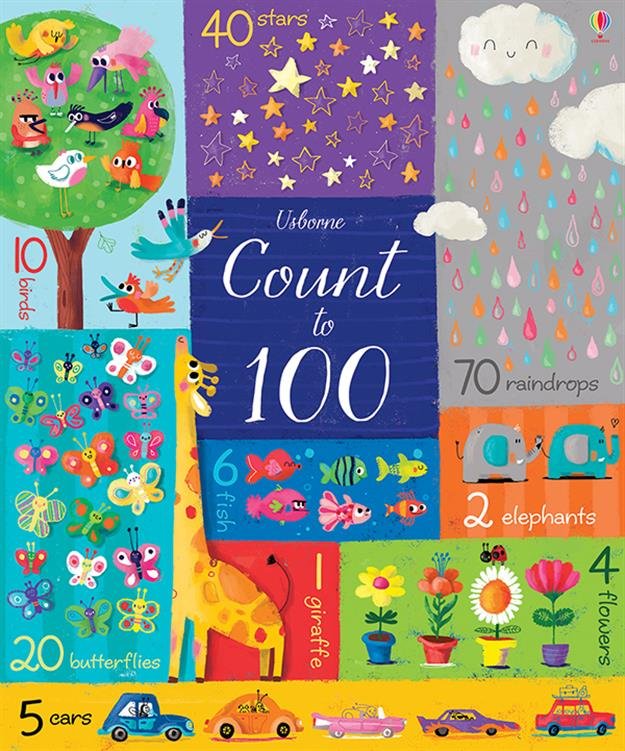
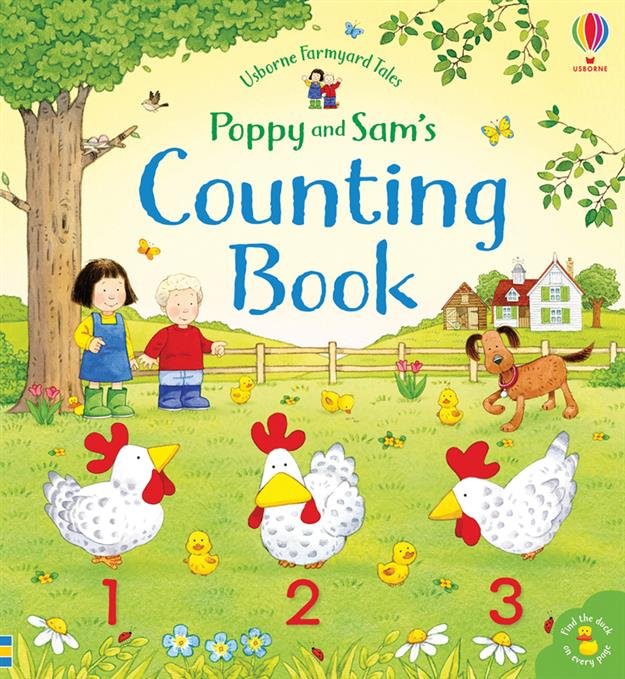
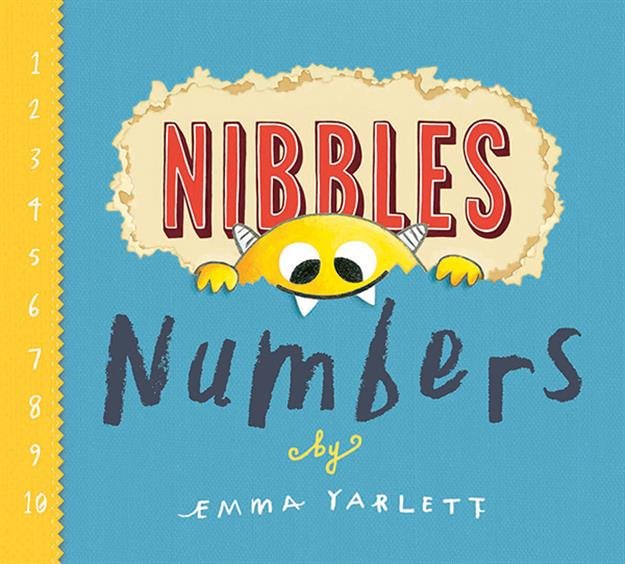
Books That Make Counting Fun
At this age, homeschool math is hands-on. Your kids need to touch manipulatives (toys), move them, sort them, build them and then do it all over again.
Even read-aloud time can become a counting game everyone looks forward to. Let your child shout the numbers. Let them point and count the ducks on the page. Even better, pull out your own little ducks (or blocks, or buttons) and let them count along as you read.
Counting books aren’t meant to be passive. They’re an invitation to interact.
With just a little creativity, learning to count becomes effortless and fun. It gives mom the structure she craves while still preserving the wonder she wants to create.



Songs To Make Learning Fun
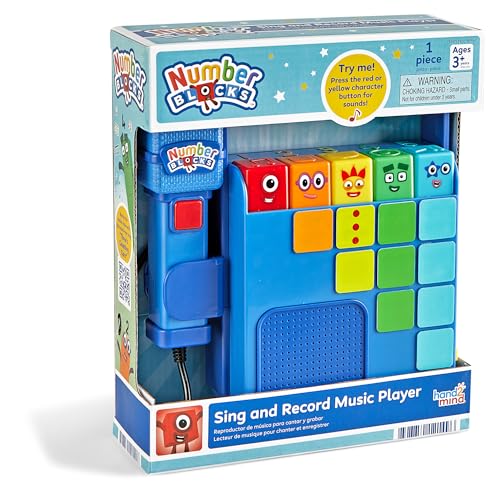
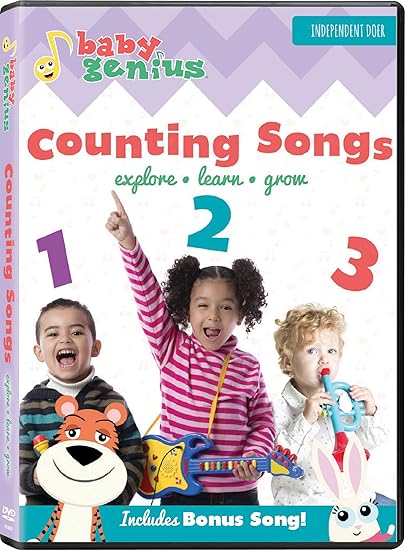
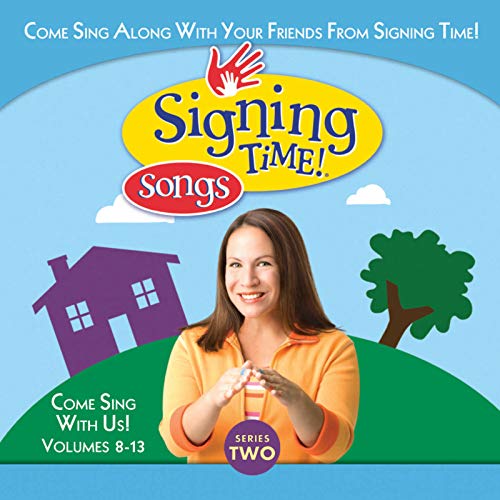
Let’s be honest, 3–5-year-olds are loud, rowdy, and they love a good excuse to stomp their feet.
Having a few go-to songs ready to play when the mood feels right can instantly turn your living room into a dance party. And while they’re jumping, clapping, and spinning, they’re also soaking in repetition of numbers without even realizing it.
Music makes counting stick.
It’s simple. It’s easy. And it’s one of those small wins that can completely shift the tone of your day.


Hands on Activities That Make Homeschool Math Fun
Let me let you in on a little secret…
Counting doesn’t need a curriculum. Gasp.
Hear me out. Teaching your little one to count can be as simple as scooping, rolling, stacking, or matching. It doesn’t have to look like “school” to be effective.
Still wondering what that actually means?
It means playing games.
Count and sort manipulatives. Roll a die and count the dots. Stack blocks and see how high you can go. Use everyday objects from around your home and turn them into homeschool math tools.
When little hands are busy, little minds are learning.


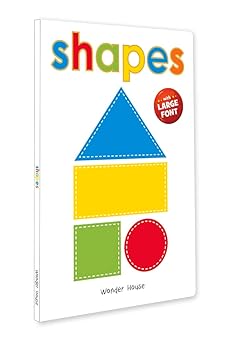
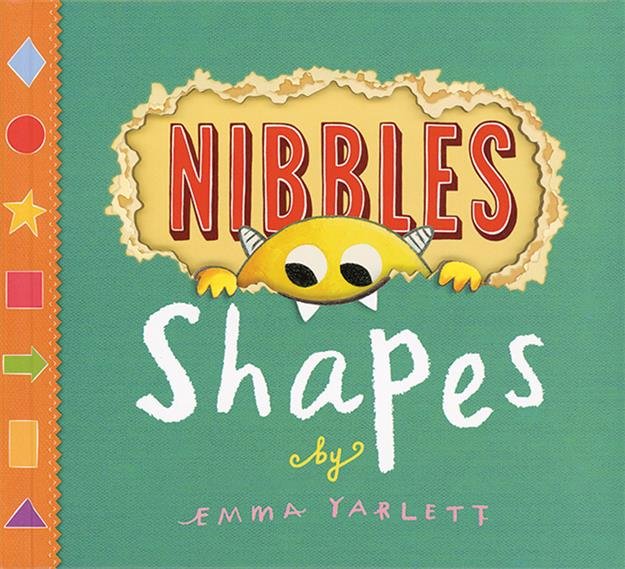
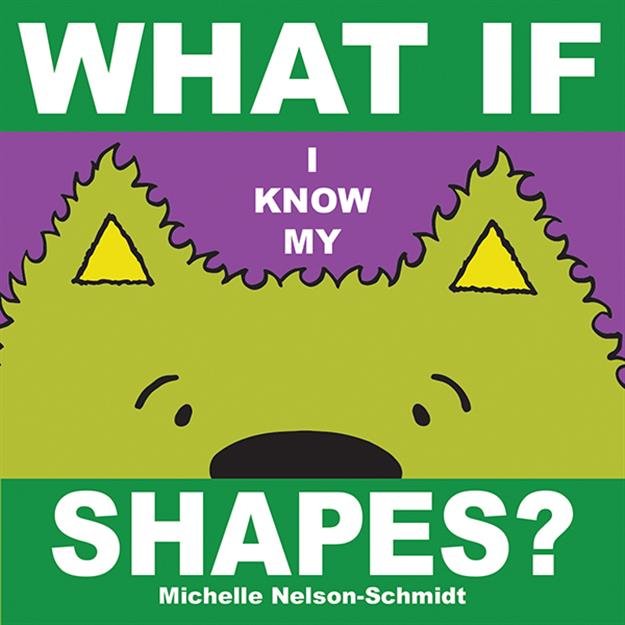
Books for Exploring Shapes
Before kids can write they notice that shapes are everywhere. Books that explore shapes can further develop their observational skills. A few good books read regularly and also giving you two a shared language will have your little one pointing out shapes everywhere you go. Honestly shape recognition will coLong before kids can write, they notice.
They see that shapes are everywhere.
Books that explore shapes help develop those early observational skills. When you read a few great shape books regularly, you begin to build a shared language. Suddenly your little one is pointing out circles on signs, rectangles on doors, and triangles on rooftops everywhere you go.
Shape recognition doesn’t happen overnight. It continues to develop for years. But it all starts with noticing and good books invite learners to slow down and pay attention to the shapes around them.
One of my favorite ways to use these books was for a simple shape scavenger hunt. We would read a few pages, set the book down, and I would ask her to find a shape we just talked about somewhere in our house. She would bring me an example, and then I would challenge her to find a bigger one… or a smaller one.
That’s when it clicks.
The same shape can exist in different sizes, in different places, and in different forms. And it all started with a book and a little curiosity.




Hands on Activities To Explore Shapes
I’m not sure who had more fun exploring shapes, me or my kid.
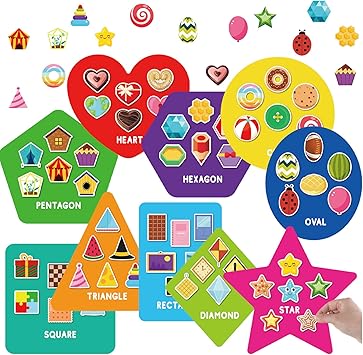
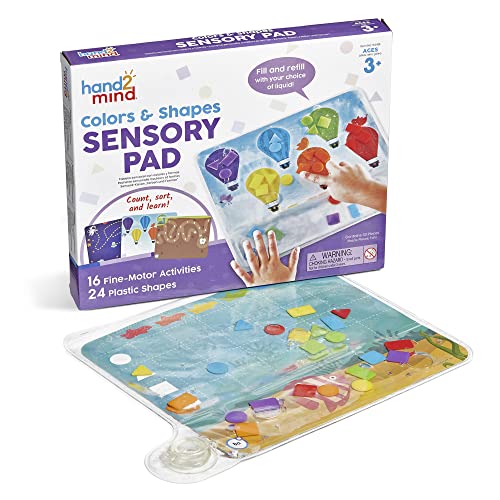
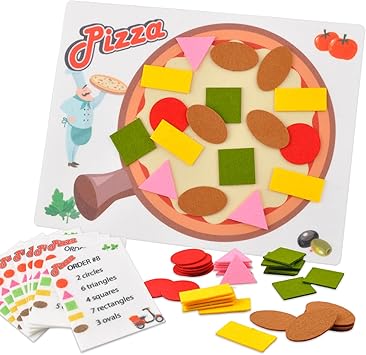
We spent so much time building, sorting, tracing, and matching. And what felt like simple play was actually laying a strong foundation for spatial reasoning.
Spatial reasoning is what helps someone understand how pieces fit together. It’s what allows a child to rotate a puzzle piece until it clicks… and yes, one day it even helps them park a car.
But right now? It starts with shapes.
We loved using pattern blocks to build pictures and complete puzzles. We sorted them by size, color, and shape. We recreated our favorite designs again and again. Each time, their understanding deepened without it ever feeling like a lesson.
Hands-on shape play isn’t extra.
It’s foundational.




Patterns Everywhere
I’m serious you can find or create a pattern almost anywhere.
Patterns are one of the easiest ways to bring purposeful play into your day. And they’re a powerful early math skill that kids naturally love.
They love spotting patterns.
They love creating them.
They especially love completing an unfinished one.
There’s something exciting about anticipating what comes next… and getting it right. Patterns feel predictable, and as we know, kids thrive on that sense of structure even in play.
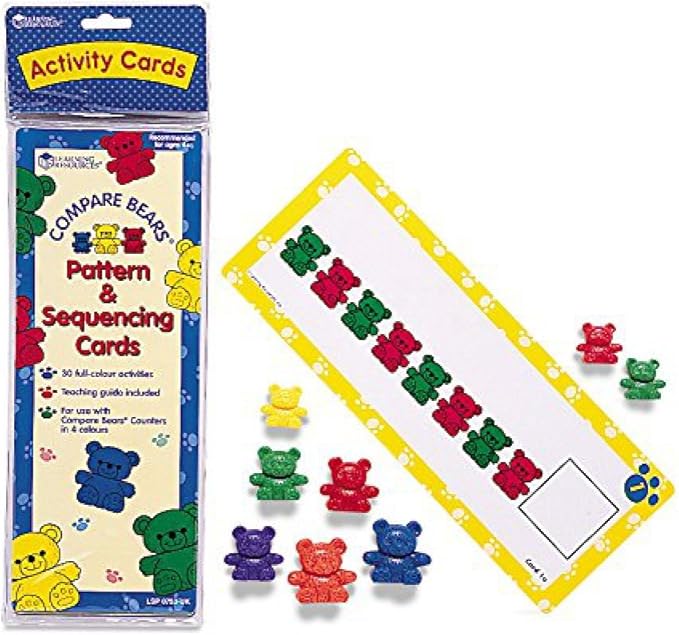
You can explore patterns with colors, sizes, or shapes. Line up blocks red-blue-red-blue. Sort objects big-small-big-small. Or turn it into a movement game: clap-stomp-clap-stomp.
Simple. Playful. Foundational.
And it can happen anywhere.




Bonus Books for Mom to Make Homeschool Math Fun

I hope this post gave you practical ideas for how to “just play” with your little one while still nurturing a love of learning.
If you’ve ever felt dismissed by the phrase “just play,” this is for you. Some of us need ideas. We need structure. Sometimes we just need the reassurance that what we’re doing is enough.
We all want what’s best for our kids.
Playing isn’t ignoring math.
You’re not avoiding structure.
And you are absolutely being intentional.
When you choose to play, you get a front-row seat to your child’s curiosity. You get to encourage them to follow it. You get to choose rich materials that invite them to touch, build, sort, and explore again and again. And if you’re like me, you get to grow an epic home library along the way.
Repetition builds skill over time — but to them, you’re just playing.
It’s kind of amazing that something as simple as shouting a number, spotting a shape, or building a pattern can quietly lay the groundwork for long-term math fluency.
If you’re homeschooling ages 3–5, you are not behind.
You don’t need a heavy curriculum or an extravagant homeschool room. You need good books, simple blocks, and a mom who’s willing to get on the floor and be present.
That’s more than enough.
Need More Ideas for Homeschool Math?
If this season with your 3–5-year-old feels sweet but slightly chaotic, you might also enjoy reading 10 Proven Tips for Successfully Homeschooling Your 3-Year-Old. It walks through simple mindset shifts and practical strategies that make these early years feel doable instead of overwhelming.
And if you’re craving encouragement, ideas, and real-life conversation with other homeschool moms, I’d love to invite you to join my free Facebook community, In My Homeschool Era. It’s a space where we talk about what’s working, share resources, and remind each other that we’re not doing this alone.
Come join us. You belong there.